Be the first to get exclusive No Deposit bonuses and WOW casino promotions! Get access to our new online casinos, top stories and special iGaming events for FREE.
Be the first to get exclusive No Deposit bonuses and WOW casino promotions! Get access to our new online casinos, top stories and special iGaming events for FREE.
Be the first to get exclusive No Deposit bonuses and WOW casino promotions! Get access to our new online casinos, top stories and special iGaming events for FREE.
Be the first to get exclusive No Deposit bonuses and WOW casino promotions! Get access to our new online casinos, top stories and special iGaming events for FREE.
Be the first to get exclusive No Deposit bonuses and WOW casino promotions! Get access to our new online casinos, top stories and special iGaming events for FREE.
Be the first to get exclusive No Deposit bonuses and WOW casino promotions! Get access to our new online casinos, top stories and special iGaming events for FREE.
Be the first to get exclusive No Deposit bonuses and WOW casino promotions! Get access to our new online casinos, top stories and special iGaming events for FREE.
Hi, I’m Nick! I love checking facts and measuring the impact of news in the whole iGaming industry. Things change fast, which is why I’m always onto something, whether it’s a casino, a guide, or a new piece that can make or break a whole market.
Brazil kept R$2.55bn in licence fees, then banned betting nine days before an election. Heist or election play? Our take, plus the signs your market is next.
Brazil sold 85 betting licences at R$30 million each, collecting R$2.55 billion. Twenty-one months after the market opened, it banned them all. Nobody gets a real back.
So was it planned? I tested the theory against the numbers: it wasn't a heist. It was an election purchase, paid for by players.
What happened?
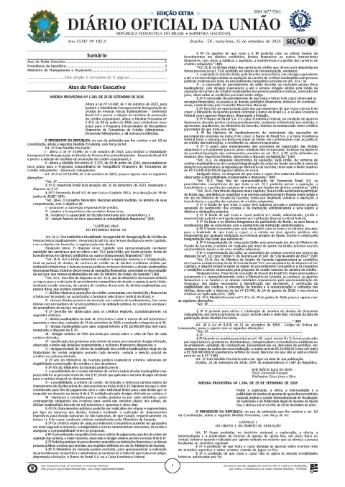
President Lula signed Provisional Measure 1.394 on 25 September, nine days before the presidential first round. It bans online casino games and fixed-odds sports betting, effective immediately.
Was Brazil's betting ban a cash grab? The timing makes a strong case for it. The money tells a different story. Here's how the two sides stack up.
The case for a cash grab
The case against
The licensed market only opened in January 2025.
Licence fees collected were R$2.55bn (85 × R$30m).
The measure rules out any refund or compensation.
Tax collected, January–July 2026: R$8.75bn.
No transition, as all sites had 11 days to shut down.
Tax lost each month is about R$1.25bn.
A sudden U-turn, since a week earlier, the likely plan banned casino games but kept sports betting.
The fees cover about two months of lost tax.
The ban polled 52% to 31% and arrived by decree in a race Lula went on to trail in the first round. That's policy set by a poll, paid for with players' protections.
But I can't say it was a heist – it makes zero sense to cut down a cash cow in the middle of elections.
Brazil banned the safe version of gambling, not gambling
But weak rules need stricter rules, like tighter deposit limits and affordability checks, not no rules. A regulator can force a licensed operator to refund you. It can't touch a site that never asked permission.
Country
Licensed online since
Latest move
Ban risk
Brazil
2025
Banned it all by decree, September 2026
Happened
Sweden
2019
Credit gambling banned, April 2026
Low, but auditors called supervision weak
Denmark
2012
Bill to ban ads around live sport, from 2027
Low
Spain
2012
Ad limits by decree in 2020, partly struck down in 2024
Low, though it has restricted ads by decree
Portugal
2015
National self-exclusion portal, April 2026
Low
UK
2007
Online casino tax up to 40%, April 2026
Low
Canada
2022 (Ontario)
Alberta opened a licensed market, July 2026
Low
Can you do something about it?
You can't predict whether a new government will decide to ban gambling outright. Nobody thought Brazil would do it, but it happened. That doesn't mean you can't do something about it:
Set limits through your licensed casino or national self-exclusion scheme. None of it follows you to an unlicensed site.
But you don't have to forget the root cause of Lula's ban.
If gambling is starting to feel like a problem, self-exclusion and deposit limits are there to help, and free, confidential support is available wherever you play.
What happens next?
Congress and the Supreme Court decide next. My prediction: sports betting returns in some form in 2027, but online casinos don't.
Other governments tax instead: the UK raised remote gaming duty from 21% to 40% in April 2026. Banning outright is cheap populism. The treasury loses the tax; players and their families lose the protections.
Hi, I’m Nick! I love checking facts and measuring the impact of news in the whole iGaming industry. Things change fast, which is why I’m always onto something, whether it’s a casino, a guide, or a new piece that can make or break a whole market.
We use cookies to improve your user experience. By continuing to use this site, you are agreeing to our use of cookies as described in our Cookie Policy.
Subscribe for Exclusive Offers!
Keep in mind that you can also share our articles and reviews on social media!







 Casino Reviews
 Free Slots
 No Deposit Bonus
 Crypto Casinos
 Bonuses
 WOW Awards
 Casino Jokes
 Big Wins
 Casinos by Country

















 Share on Facebook
 Share on X
 Share on Instagram